How to Grow Your Own Food: Urban Farming Tips for Small Spaces
Learning how to grow your own food is an empowering way to become more self-sufficient and reduce your carbon footprint, even if you live in a small urban space. With the right strategies, urban farming can help you transform balconies, windowsills, and compact backyards into productive mini-gardens. Here are some practical tips to get started.
1. Assess Your Space and Light
Start by evaluating the space available to you. Whether it’s a balcony, rooftop, or a sunny windowsill, identify areas that receive the most sunlight. Most vegetables and herbs require at least 4–6 hours of direct sunlight daily, so choose your plants based on the light conditions.
2. Choose the Right Plants
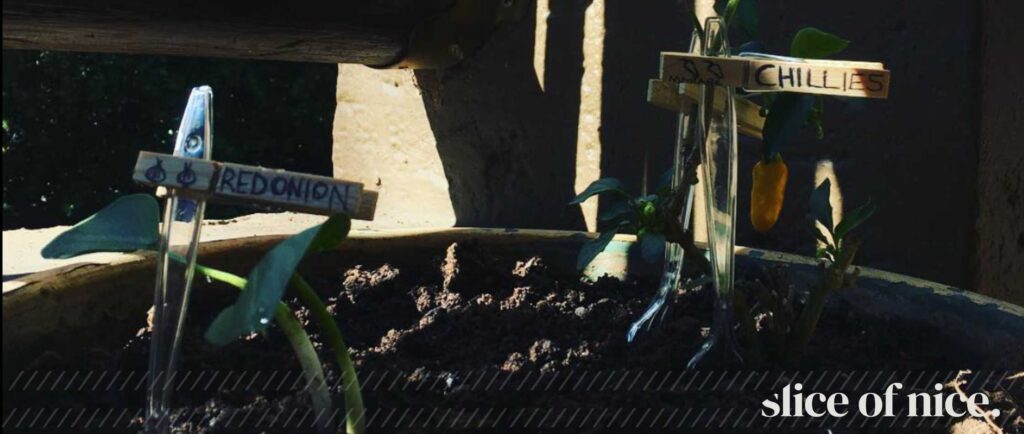
Compact and fast-growing crops are ideal for small spaces. Herbs like basil, parsley, and mint thrive in small pots, while leafy greens such as spinach and lettuce are perfect for containers. For those with a bit more room, try growing cherry tomatoes, peppers, or even dwarf varieties of fruit trees.
3. Use Vertical Gardening Techniques
Maximise limited space by growing upward instead of outward. Use wall-mounted planters, hanging baskets, or trellises to grow plants vertically. Vining crops like beans, cucumbers, and peas can climb up supports, freeing up ground space for other crops.
4. Invest in Quality Containers and Soil
Containers are essential for urban farming. Choose pots with good drainage, and opt for lightweight materials if you’ll be moving them around. Use high-quality potting soil to ensure your plants receive the necessary nutrients. Adding compost or organic matter will further enrich the soil.
5. Water Smartly
Plants in small spaces can dry out quickly, especially in containers. Water your plants regularly but avoid overwatering, as this can lead to root rot. Consider using self-watering pots or setting up a simple drip irrigation system for consistent moisture.
6. Start a Compost Bin
Even in urban areas, you can create a small composting system to recycle kitchen scraps into nutrient-rich compost. Use this to fertilise your plants and reduce waste simultaneously.
7. Practice Succession Planting
Maximise your harvest by planting crops in succession. For example, after harvesting fast-growing radishes, you can immediately plant another crop in the same space. This ensures a continuous supply of fresh produce.
8. Experiment with Hydroponics or Aquaponics
If you’re short on soil space, consider hydroponics (growing plants in nutrient-rich water) or aquaponics (combining fish farming with hydroponic gardening). These systems are efficient and suitable for small urban spaces.
9. Protect Your Plants
Urban environments can expose your plants to pests, pollution, and weather extremes. Use natural pest control methods, such as introducing beneficial insects or using neem oil, and consider protective covers for delicate plants.
10. Learn and Adapt
Urban farming is a journey of learning. Monitor your plants’ progress, experiment with different techniques, and don’t be afraid to make mistakes. Over time, you’ll develop a thriving urban garden that suits your unique space.
By implementing these tips, you can enjoy the benefits of growing your own food, even in the heart of the city. Urban farming not only saves money but also provides access to fresh, organic produce right at your doorstep.