Simple Ways to Live More Sustainably in South Africa
Sustainable living in South Africa can sometimes feel overwhelming. With loadshedding, rising food prices, water restrictions, and the general cost of living, “going green” might sound like something only other people can afford. The good news? An eco-friendly lifestyle in South Africa doesn’t have to be expensive, complicated, or all-or-nothing.
In fact, many sustainable habits naturally fit into South African life – from saving water during dry seasons to supporting local businesses and reducing waste at home. Small, intentional changes can make a real difference, both for the planet and your monthly budget.
Whether you live in a city flat, a suburban home, or a small town, here are simple, realistic ways to embrace green living in South Africa without the pressure.
Why Sustainable Living Matters in South Africa
South Africa faces unique environmental challenges: water scarcity, unreliable electricity supply, rising fuel costs, and increasing waste in landfills. Sustainable living isn’t just a global trend – it’s a practical response to local realities.
Choosing a more eco-friendly lifestyle in South Africa can help you:
-
Save money on utilities
-
Reduce pressure on water and electricity systems
-
Lower your household’s carbon footprint
-
Support local communities and small businesses
-
Teach children lifelong habits that matter
Sustainability here isn’t about perfection. It’s about progress.
Sustainable Living Tips South Africa: Start With Small Daily Habits
The easiest place to begin is with what you already do every day. Small changes, repeated consistently, add up over time.
Simple swaps that make a difference
-
Switch off lights and appliances at the plug (especially during loadshedding schedules)
-
Carry reusable shopping bags in your car or handbag
-
Use refillable water bottles instead of buying plastic ones
-
Choose glass or paper packaging where possible
These habits cost nothing but can significantly reduce waste and energy use.
Be mindful of water usage
Water-saving is second nature for many South Africans, but there’s always room to improve:
-
Take shorter showers (aim for under 5 minutes)
-
Fix dripping taps immediately
-
Collect greywater for the garden
-
Water plants early morning or late afternoon
Living sustainably in South Africa often starts with respecting how precious water really is.
Eco-Friendly Home Ideas South Africa Can Actually Use
Your home is one of the best places to reduce your environmental impact – and your monthly expenses.
Make your home more energy-efficient

Electricity costs are high, and loadshedding has changed how we use power. Try these eco-friendly home ideas South Africa households can manage:
-
Replace old bulbs with LED lights
-
Use gas or solar-powered alternatives for cooking
-
Install a solar geyser or timer where possible
-
Air-dry clothes instead of using a tumble dryer
Even small upgrades can reduce your carbon footprint in South Africa over time.
Create a greener cleaning routine

Many store-bought cleaning products contain harsh chemicals and plastic packaging. Instead:
-
Use vinegar, bicarbonate of soda, and lemon for cleaning
-
Buy concentrated refills or bulk cleaning products
-
Reuse spray bottles instead of throwing them away
This approach is cheaper, safer for kids and pets, and better for the environment. Click here to find out How to Create Your Own Eco-Friendly Cleaning Products at Home.
Reduce Your Carbon Footprint South Africa-Style
Reducing your carbon footprint in South Africa doesn’t mean giving up everything you enjoy. It’s about being more intentional.
Rethink transport where possible
Fuel prices continue to rise, so sustainable transport choices make sense:
-
Combine errands into one trip
-
Lift-club with school or work friends
-
Walk or cycle for short distances
-
Use public transport when safe and practical
Even driving less once or twice a week can lower emissions and save money.
Support local and seasonal food

Buying local food reduces transport emissions and supports South African farmers.
-
Shop at local markets or farm stalls
-
Choose seasonal fruit and vegetables
-
Reduce food waste by planning meals
Seasonal produce is often cheaper, fresher, and better for the planet.
Green Living South Africa: Sustainable Choices for Families
If you have kids, sustainable living might feel harder – but it can actually become a powerful teaching tool.
Eco-friendly habits for kids
-
Encourage lunchboxes instead of single-use packaging
-
Teach children to switch off taps and lights
-
Donate outgrown clothes and toys
-
Reuse school supplies where possible
South African school terms and busy routines mean convenience matters, so focus on habits that are easy to maintain.
Reduce waste at home
Waste is a growing problem in South Africa. Try these realistic steps:
-
Start a basic recycling system (even just paper and plastic)
-
Compost food scraps if you have outdoor space
-
Avoid impulse buying that leads to clutter
Remember: reducing waste starts with buying less, not recycling more.
Sustainable Living in South Africa on a Budget
One common myth is that eco-friendly living is expensive. In reality, many sustainable choices save money long-term.
Budget-friendly sustainability ideas
-
Buy second-hand furniture or clothing
-
Repair items instead of replacing them
-
Borrow or swap tools with neighbours
-
Choose quality items that last longer
Thrift stores, Facebook Marketplace, and local buy-and-sell groups are goldmines for affordable, sustainable finds.
Be mindful of fast fashion
Fast fashion is cheap upfront but costly for the environment. Instead:
-
Buy fewer, better-quality pieces
-
Support local South African clothing brands
-
Build a capsule wardrobe you actually wear
This approach simplifies life and reduces waste.
Sustainable Living Tips South Africa Often Overlooks
Not all sustainable actions are obvious. Some small mindset shifts can have a big impact.
Choose experiences over stuff
Instead of buying more things, consider:
-
Family picnics at local parks
-
Beach days instead of mall trips
-
Homemade gifts instead of store-bought
These choices create memories without adding waste.
Support eco-conscious local businesses
Many South African brands prioritise sustainability, ethical sourcing, and local production. Supporting them keeps money in the local economy and reduces environmental impact.
How to Stay Motivated Without Feeling Overwhelmed
Sustainable living in South Africa is a journey, not a checklist. You don’t need to do everything at once.
Try this approach:
-
Pick one habit to change this month
-
Make it easy and realistic
-
Celebrate progress, not perfection
-
Add another habit when ready
Every small step matters.
Conclusion: Sustainable Living Is About Progress, Not Perfection
Living more sustainably in South Africa doesn’t require radical lifestyle changes or a huge budget. It’s about making thoughtful choices that suit your life, your family, and your circumstances.
Whether you start by saving water, reducing waste, supporting local businesses, or rethinking energy use, you’re already making a difference. Green living in South Africa is most powerful when it’s practical, accessible, and rooted in everyday life.
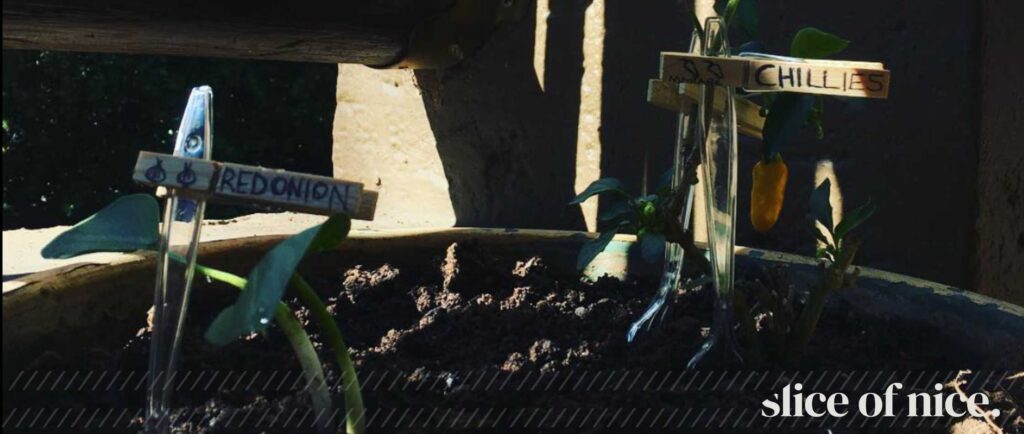
Choose one small change today – and let it grow from there. Click here for tips on How to Grow Your Own Food.
FAQs: Sustainable Living in South Africa
1. What is sustainable living in South Africa?
Sustainable living in South Africa means making everyday choices that reduce environmental impact while considering local challenges like water scarcity, loadshedding, and affordability.
2. Is an eco-friendly lifestyle expensive in South Africa?
Not necessarily. Many eco-friendly habits, such as saving water, using less electricity, and buying second-hand, actually save money.
3. How can I reduce my carbon footprint in South Africa?
You can reduce your carbon footprint by driving less, saving electricity, supporting local food producers, and reducing household waste.
4. What are easy eco-friendly home ideas in South Africa?
Simple ideas include using LED bulbs, switching off appliances, collecting greywater, air-drying laundry, and using natural cleaning products.
5. How can families practise green living in South Africa?
Families can focus on reducing waste, teaching kids eco-friendly habits, choosing reusable items, and spending more time on low-impact activities.